
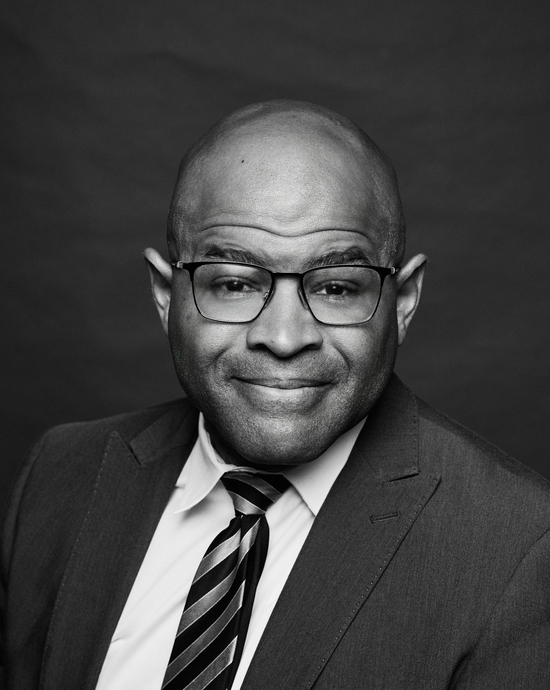
- B.A., Virginia Military Institute
- J.D., University of Chicago Law School
- Associate of Workplace Investigators Certificate Holder (AWI-CH)
I first became interested in law during my service as an officer in the U.S. Army Military Police. To my surprise, I found the legal aspects of training and operations even more engaging than I expected. After completing my four-year obligation, I transitioned from military service to law school at the University of Chicago.
I began my legal career in criminal law as a prosecutor with the Cook County State’s Attorney’s Office, but I soon shifted my focus to labor and employment law. Given my experience as a unit personnel officer in the Army, both on active duty and in the reserves, it felt like a natural fit. Since then, I’ve had the opportunity to represent both businesses and individuals across a range of industries, including hospitality, healthcare, and transportation.
I have proudly called San Diego home for the past 20 years. Outside of the office, I enjoy sailing, traveling, and staying active.
On September 30, 2026, Governor Newsom signed Senate Bill (SB) 951, which amended the California Worker Adjustment and Retraining Notification Act (Cal-WARN). The amendment takes effect on January 1, 2027, one year after SB 617, which also expanded the requirements for Cal-WARN notices.
Must Sexual Harassment Claims Be Plausible to Avoid Arbitration Under the EFAA?
August 20, 2026
Category: Legal Updates
Congress enacted the Ending Forced Arbitration of Sexual Assault and Sexual Harassment Act (“EFAA”) in March 2022, limiting the enforceability of pre-dispute arbitration agreements in certain sexual assault and sexual harassment cases. Under the EFAA, an employee who alleges conduct constituting sexual assault or sexual harassment may choose to pursue the case in court rather than arbitration, even if the employee previously signed an arbitration agreement.
Workplace Investigations Conducted by Attorneys Carry Privilege Risks When Used to Support Employer Defenses
May 21, 2026
Category: Legal Updates
In the recent case of Paknad v. Superior Court, the California Supreme Court affirmed and expanded on previous rulings that attorney-client communications and the attorney work product privileges may be waived where the employer places the adequacy of an attorney-conducted investigation at issue.
As a California employer in the private sector, you may be unaware of the Public Employees Relations Board, known as the PERB. Historically, the PERB has had the limited scope of overseeing labor relations for public sector employees in a role similar to the National Labor Relations Board (“NLRB”), which oversees private sector labor relations nationwide pursuant to the National Labor Relations Act (“NLRA”). The NLRA grants the NLRB the primary jurisdiction over private sector labor relations matters. The PERB’S limited role has now potentially expanded with the passage of AB 288, which means its employee-protective procedures may eventually affect private employers.
Illinois Supreme Court Declares That Pre- and Post-Work Activities Are Compensable
March 27, 2026
Category: Legal Updates
A recent Illinois Supreme Court decision has contradicted years of federal case law by confirming that, unlike federal law, the Illinois Minimum Wage Law (“IMWL”) does not contain an exception for “preliminary and postliminary” activities—i.e., activities performed before and after employees’ principal duties. As a result, such activities (including security screenings, donning and doffing required equipment, or required pre-shift tasks) may now be considered “hours worked” and compensable depending on the circumstances.
California has enacted a new law that bans “stay-or-pay” agreements — arrangements that require employees to pay money back if they leave their job before a certain time. These agreements are frequently used in relation to paid-for training and hiring bonuses.